Gear Basics · 2 min read
How to Choose a Beginner Rod and Reel
Why a spinning combo is the best first rod and reel, what length and power to pick, and how much to spend.
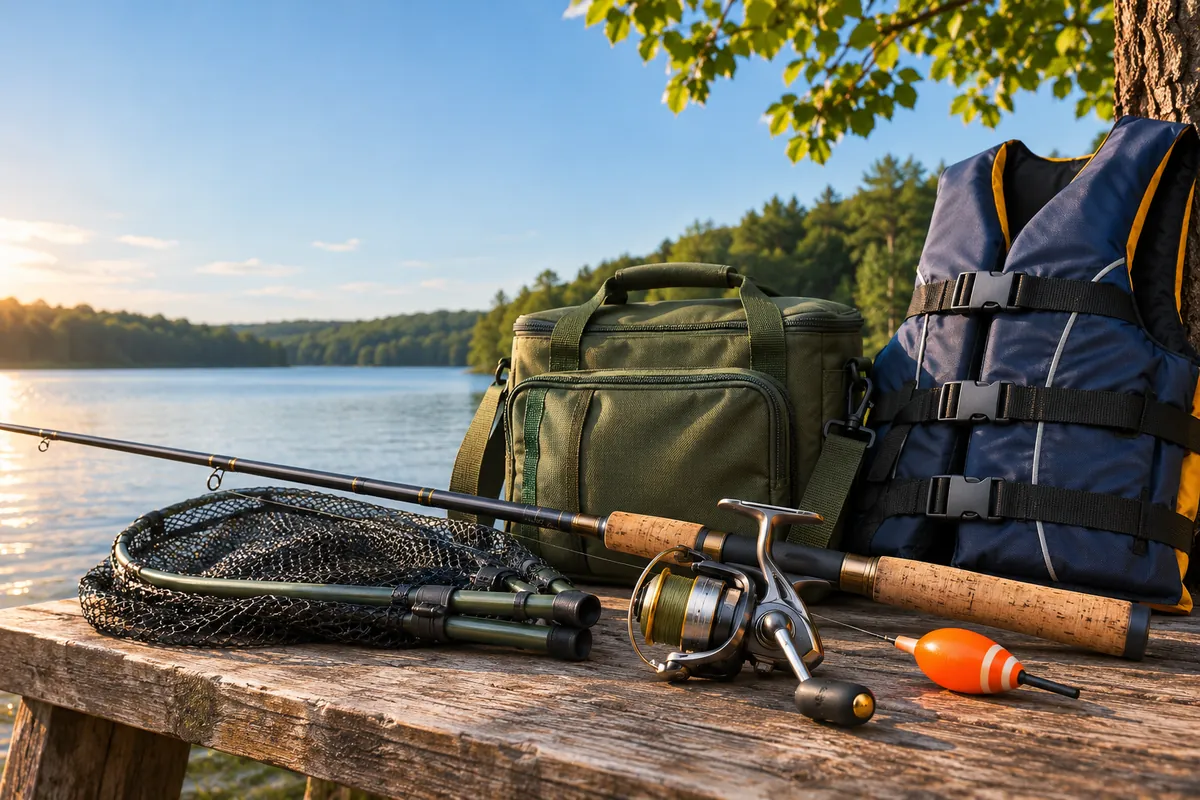
The easiest way to start is with a spinning combo, a rod and reel sold together, often already spooled with line. Spinning reels are forgiving, don't tangle easily and work for nearly every freshwater fish a beginner will chase.
Reel types in one minute
- Spincast (push-button) reels are the simplest and great for young kids, but they hold less line and are less smooth.
- Spinning reels hang under the rod and use an open spool with a wire "bail." They're the best all-around choice for teens and adults.
- Baitcasting reels sit on top of the rod and are powerful and accurate, but they take practice and tangle easily. Save them for later.
Length
A rod between 6 and 7 feet is a good all-purpose length. Shorter rods (5 to 5½ feet) are easier for kids to handle. Longer rods cast farther.
Power and action
Power describes how much force it takes to bend the rod. Light and medium-light rods are best for panfish and trout. Medium is the most versatile choice for bass, catfish and general use. Action describes where the rod bends; a fast or moderate-fast action is a good default.
Reel size
Spinning reels are sized by numbers. A 1000 to 2000 size suits light line and panfish. A 2500 to 3000 size is the all-purpose sweet spot for bass and general freshwater fishing.
What to spend
A good beginner combo costs roughly $30 to $80. Very cheap combos often have rough drags and flimsy guides; spending a little more buys a smoother reel that will last for years.
Not sure? Our starter setup picker recommends a rod, reel, line and hook for the fish you want to catch.
Updated November 18, 2026. Fishing rules vary by state; check your state wildlife agency's current regulations.