Learn the Skills · 2 min read
How to Set the Hook and Land a Fish
How to recognize a bite, set the hook, use your reel's drag and bring a fish in without breaking the line.
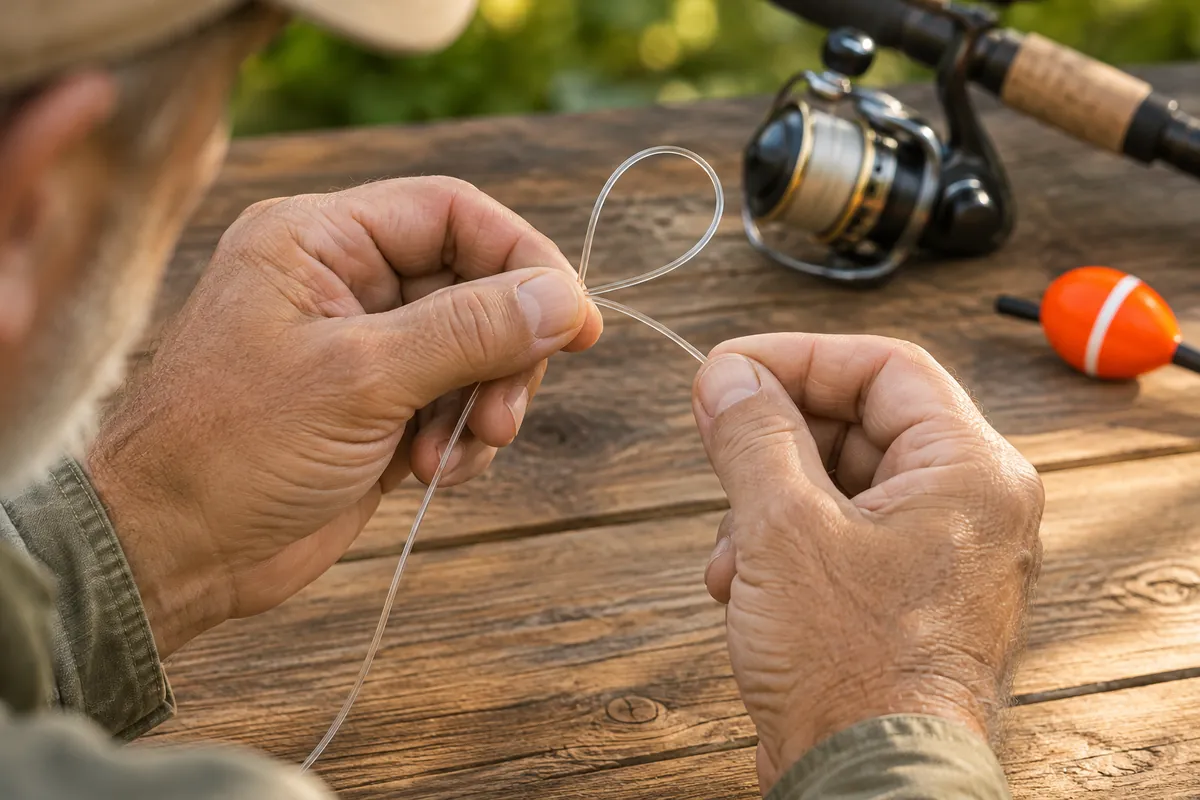
Getting a bite is exciting. Turning it into a landed fish takes three skills: setting the hook, playing the fish and landing it.
Set the hook
When you feel a tap or see the bobber go under, reel in any slack line until you feel weight. Then lift the rod tip firmly and smoothly, about a foot or two. You don't need a giant jerk; a sharp lift is enough with small hooks. With circle hooks, simply reel steadily and let the hook slide into the corner of the mouth.
Set your drag
The drag is the knob on the front of a spinning reel that lets line slip out when a fish pulls hard. Set it before you fish: tighten it until you can pull line off by hand with firm but steady pressure. If it's too tight, line breaks. If it's too loose, you can't reel the fish in.
Play the fish
- Keep the rod tip up and the line tight.
- Reel when the fish isn't pulling; let the drag work when it runs.
- Don't reel while the drag is slipping, which twists line.
- Be patient with bigger fish. Let them tire a little.
Land it
Small fish can be swung or lifted gently onto the bank. For bigger fish, use a net, leading the fish headfirst into it. If you'll release the fish, keep it in the water as much as you can and follow our catch-and-release guide.
Removing the hook
Wet your hands, hold the fish gently and use pliers to back the hook out the way it went in. If a fish swallowed the hook, cut the line close to the mouth instead of tearing the hook out; this gives the fish a better chance.
Next lessonHow to Tie the Improved Clinch Knot →Updated November 18, 2026. Fishing rules vary by state; check your state wildlife agency's current regulations.